
Misaq / Blog / Finding a husband
How to find a Muslim husband
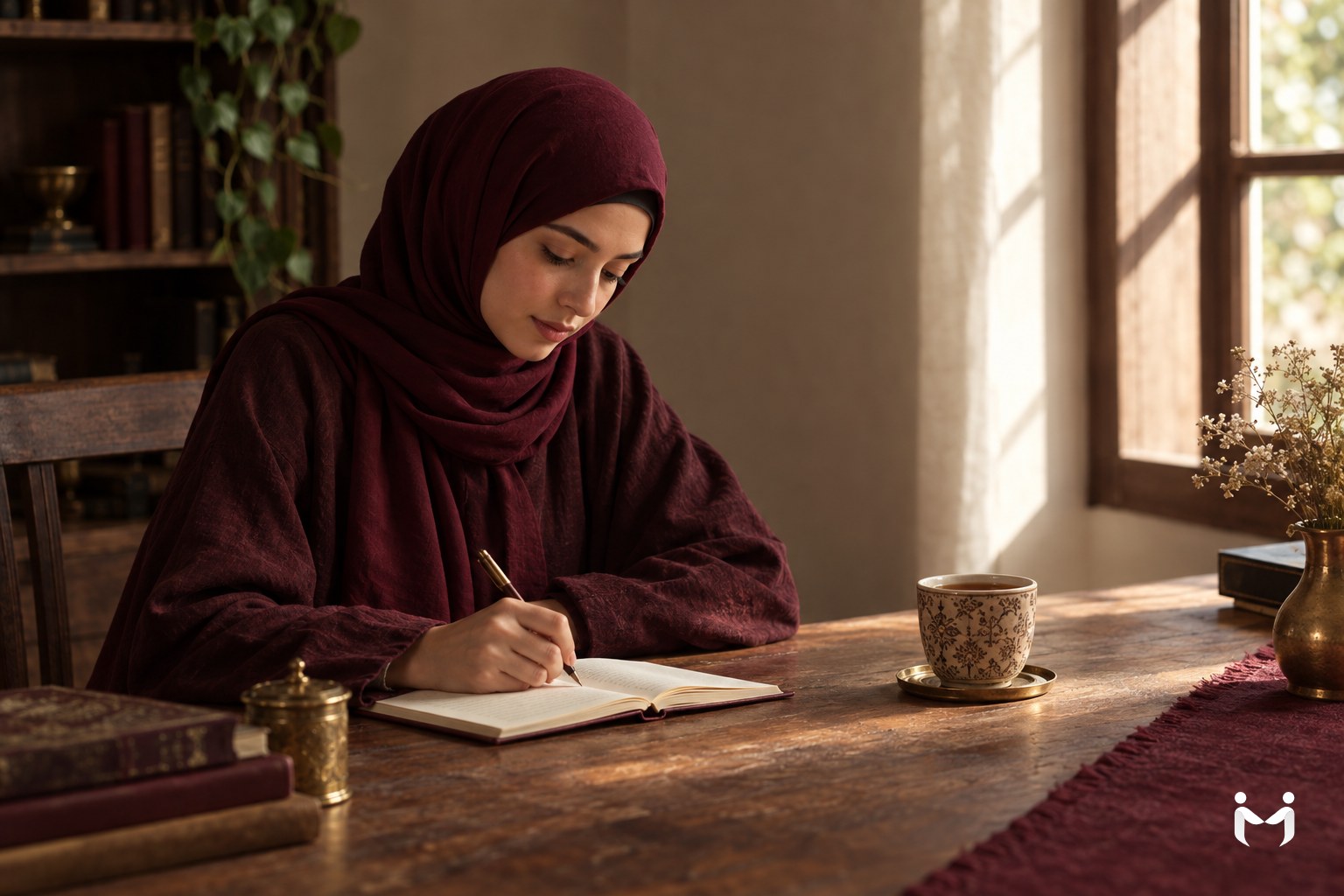
Most advice aimed at Muslim women on this subject is either "be patient" or "lower your standards." Neither is a plan. What follows is the practical shape of the search from the woman's side: where looking actually works, what to filter for, and the leverage you have that nobody tells you about.
Three true things before the search
- The arithmetic is on your side more than it feels. Serious, practising men who want marriage complain of exactly the same drought you do. The problem is rarely that they do not exist; it is that the serious ones are the least visible on apps built for browsing.
- Your wali is leverage, not surveillance. A man who knows he will sit across from your father behaves differently from one messaging you in private. Involving your wali early does not shrink your options — it filters out the ones who were never options.
- "He will become practising after marriage" is a loan against hope. Judge the deen you can see, not the one being promised.
Where looking actually works
- Tell your family you are looking — explicitly. Mothers and aunts run the oldest matching network on earth, and most run it badly only because they are guessing at your criteria. Give them the real list.
- The masjid, through the women's side. Imams' wives, study circles, the women who know every family — this network vets character in a way no profile can.
- Marriage events. Uncomfortable and efficient. A man who attends one in person has already paid a seriousness cost that swiping never charges.
- Apps — used on your terms. State in your profile that your wali is involved and watch the pool filter itself. The men who vanish at the word were never candidates; the ones who remain just saved you three months each.
What to actually filter for
- How he treats obligation, not how he talks about it. Prayer he keeps, parents he serves, work he shows up to. Deen is a pattern of behaviour, not a bio keyword.
- Money honesty over money size. A man clear about what he earns and owes is safer than a vague one with a better car. You are entitled to ask; mahr and maintenance are his obligations, and the questions list covers how to ask them.
- How he argues. You will not marry his best day. Watch what happens when plans fail, when he is contradicted, when your wali asks him a hard question.
- His family's expectations, named out loud. Living arrangements, your work, children — "we will figure it out" is where these go to explode later.
Four patterns to leave immediately
- He wants the conversation private and open-ended — resists your wali, resists a timeline, resists definition.
- He is precise about your obligations and vague about his.
- Every previous prospect failed because of the other party, every time.
- Pressure dressed as piety — using religion to rush you past your own family's process.
Where Misaq fits
Misaq is built around the exact leverage this page describes: your wali is registered before matching begins and has his own dashboard, every man on the platform has passed government-ID and live-selfie verification, intention is declared because the app has no other mode, and you see one compatible match at a time instead of a feed of browsers. Free until a real connection happens. Not launched yet — the waitlist opens first.
Join the communityThe wali, explained
Practical guidance, not a religious ruling. On what interaction is permitted during the search, positions differ — we set them out here without ruling on them.
Common questions
How can I find a good Muslim husband?
Make the search known to your family with your real criteria, work the masjid's women's network, attend marriage events, and use apps with your wali's involvement stated up front. The stated involvement itself filters out the men who were never serious.
What should I look for in a Muslim husband?
Behaviour over claims: prayer he actually keeps, honesty about money, how he handles being contradicted, and whether his family's expectations are named plainly. A man's treatment of his existing obligations predicts his treatment of new ones.
Is it permissible for a woman to propose or initiate?
Expressing interest in marriage through proper channels is well-grounded — Khadijah initiated with the Prophet ﷺ himself. Doing it through your wali or family keeps it both effective and protected.
What are red flags when talking to a potential husband?
Resistance to your wali, open-ended private conversation with no timeline, precision about your duties with vagueness about his, and religious language used to rush you past your family's process.
Related reading
- What Misaq is, in full
- Nikah and dating: the difference is structural
- The wali: what he is for, and what he is not
- How to get married in Islam, step by step
Stay with us while we build
We post the build as it happens. Follow whichever one you actually read.