
Misaq / Blog / Marriage for reverts
Finding a spouse as a revert
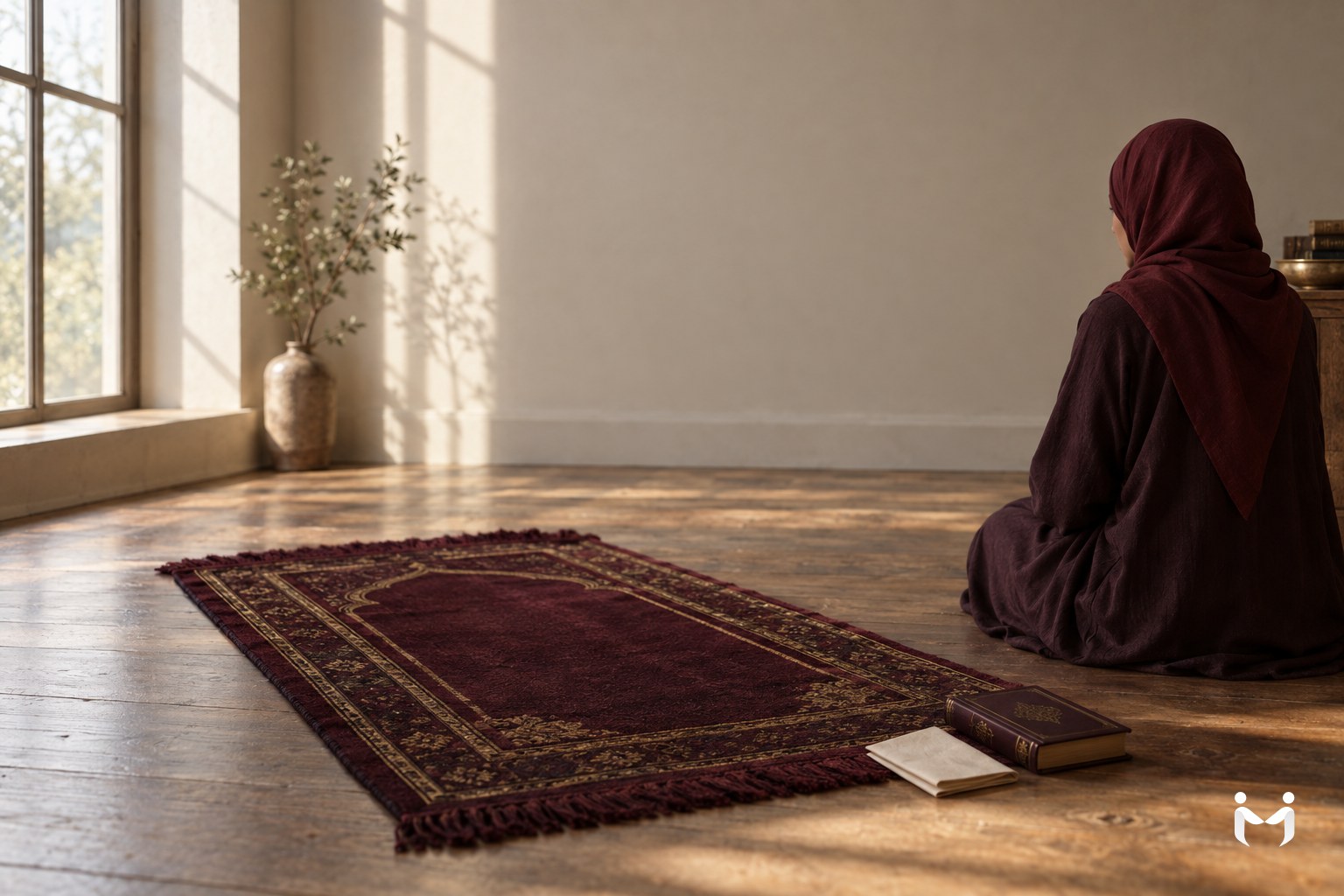
Every guide to Muslim marriage assumes equipment a revert does not have: a Muslim family to search through, an aunty network to vouch for you, a father to sit across from her father. You took your shahada and inherited a process built for people born into it.
This page is about doing it anyway — what is genuinely harder, what is easier than you have been told, and what to look for in any platform you use.
What is actually harder for reverts
- No family in the process. The rishta system runs on relatives — finding, vetting, vouching, negotiating. A revert arrives with none of that machinery, which means the channels that serve everyone else serve you least.
- The wali question, for women. A revert woman typically has no Muslim father or brother. The scholars' answer is that guardianship passes to the Muslim authority — classically the imam or a respected elder standing in that role. It is a solved problem in fiqh and an unsolved one in practice, because few platforms and not every community make it easy.
- Being treated as a curiosity. Reverts report being fetishised ("I always wanted to marry a convert") and being quietly filtered out by families who want their own culture more than they want deen. Both are real. Neither is Islam; both are people.
- Judging without cultural bearings. A born Muslim can tell which expectations are religion and which are Punjabi or Somali or Arab custom. A revert often cannot yet, and families sometimes present the two as one package.
What is easier than you have been told
- Your intention is not in question. Nobody chose Islam to please their grandmother. Serious families know what a shahada costs socially, and to many of them it is the strongest signal of deen on the table.
- You skip the biradari filter. The caste-and-clan sorting that shrinks everyone else's pool has no hold on you. Your pool is anyone whose family values practice over origin — smaller than it should be, bigger than it feels.
- The community wants this to work. An imam asked to stand as wali for a revert sister, or to vouch for a revert brother, is being asked to do something the community regards as an honour. Ask. They are under-asked.
What a revert should demand from a marriage app
- Guardian support that does not assume a father. If the platform's family feature only models a biological wali, it was not built with you in mind. The role needs to be fillable by whoever properly holds it — including an imam standing in.
- Verification. You cannot call his cousins to ask about him. ID verification is doing the work the aunty network does for everyone else — for you it is not a feature, it is the floor.
- Stated intention. You have no family filter in front of you, so the platform's own filter matters more. Marriage declared, not implied.
- A feed to browse. The curiosity problem is worst where browsing is cheapest.
Three practical moves
- Build your own vouching. The imam who witnessed your shahada, your local masjid's revert circle, one or two established families who know you — this is your network. It takes months, not years, and it changes how every proposal reads.
- Sisters: settle your wali before you search. Approach your imam or a trusted elder now, not when a proposal is already on the table. A guardian who knows you is protection; one recruited at the last minute is paperwork.
- Name the culture question early. "Which of your family's expectations are religious, and which are cultural?" is a fair question, asked plainly. How a family answers it tells you most of what you need.
Where Misaq fits
Misaq's central design decision — the guardian registers before matching begins and has their own dashboard — was made for families, and it turns out to matter most for people who have to assemble that role deliberately. The wali seat does not assume a father; it is built for whoever rightfully holds the role. Every member is verified with government ID and a live selfie, you see one match at a time, and it is free until a real connection happens. Not launched yet; waitlist first.
Join the communityThe wali, explained
General information, not a religious ruling. On who may act as wali for a revert in your school and your situation, ask a qualified scholar — the broad position described here has detail that depends on circumstances.
Common questions
Who is the wali for a revert woman with no Muslim family?
The broadly held position is that guardianship passes to the Muslim authority — classically the imam or a respected community elder standing in that role. The detail varies by school and situation, so settle it with a scholar before a proposal is live, not during one.
Is there a marriage app made for reverts?
No major platform is revert-specific. What matters is whether a platform's family and guardian features work without assuming a Muslim father — Misaq's wali seat is built for whoever rightfully holds the role, which includes an imam standing in for a revert sister.
How do reverts usually find a spouse?
Through the community more than through family: the imam who knows them, revert circles at the masjid, marriage events, and apps. The practical difference is that a revert has to build deliberately the vouching network everyone else inherits.
Do born-Muslim families accept revert spouses?
Many do and some do not, and the honest filter is whether a family values practice over origin. A family's answer to "which of your expectations are religious and which are cultural?" usually settles the question early.
Related reading
- What Misaq is, in full
- Nikah and dating: the difference is structural
- The wali: what he is for, and what he is not
- How to get married in Islam, step by step
Stay with us while we build
We post the build as it happens. Follow whichever one you actually read.